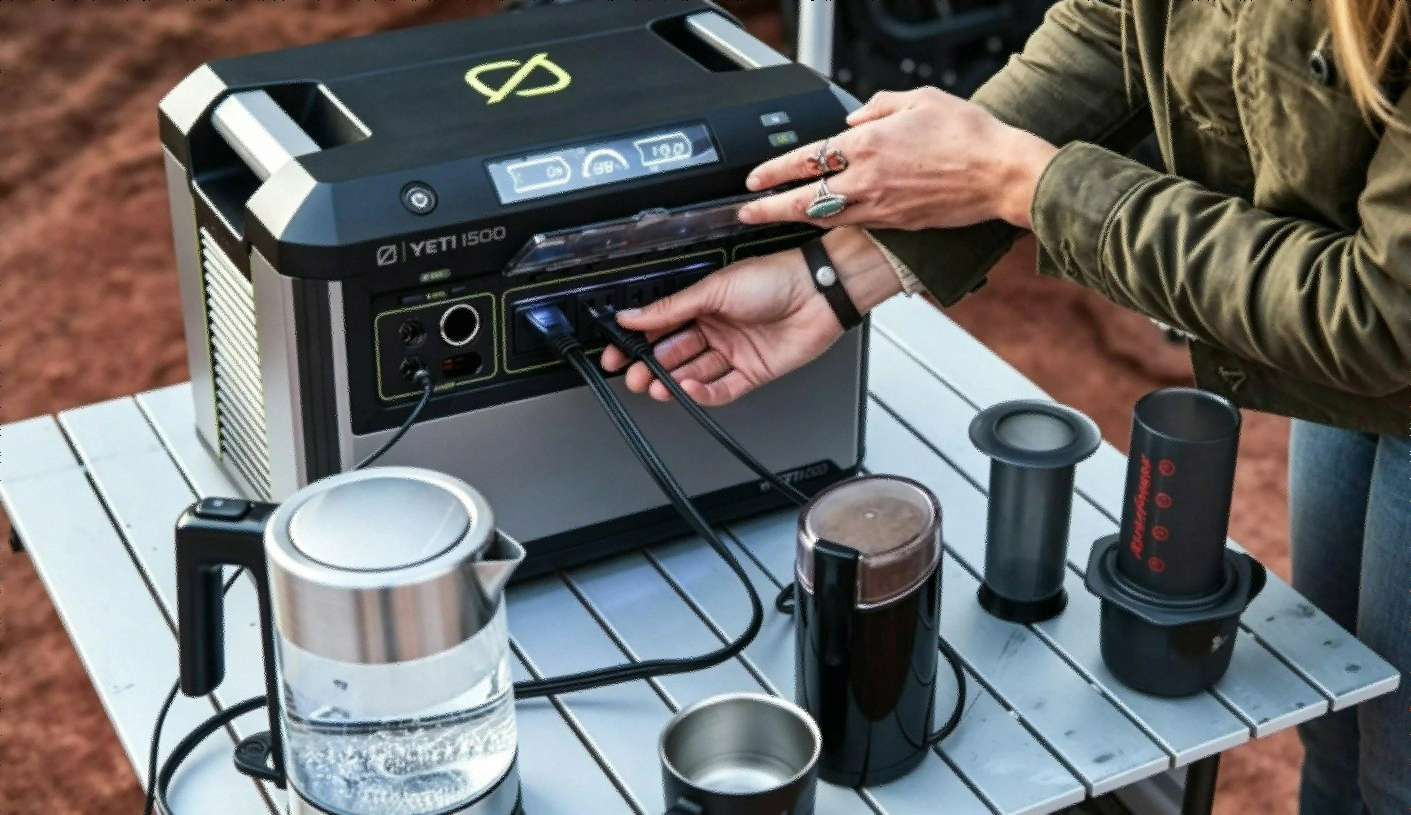
My buddy in the van life Facebook group texted me last week asking if the new Goal Zero Yeti 1500 is worth the jump from his dying Jackery. I’d been putting off writing this one for a while. Goal Zero is a name people either swear by or roll their eyes at, depending on which decade they bought their last unit in. The 6th gen Yeti 1500 is a different animal than what Goal Zero was shipping five years ago.
I’ve already covered the 4Patriots Power Generator 1200 for the prepper crowd, broken down the Anker vs Jackery showdown for people cross-shopping the two biggest names, and dug into the Ampace Andes 1500 for anyone chasing the cheapest watt-hour. This time it’s the unit a lot of full-time vanlifers default to when they want something that just doesn’t quit on them.
Quick Take Before You Scroll Further
If you only read one paragraph: the Yeti 1500 is a 1,505Wh LiFePO4 station with a 2,000W inverter (3,600W surge), it charges 0-80% from a wall outlet in under an hour, and it’s rated for 4,000 charge cycles, which Goal Zero says works out to 10+ years of daily use. It costs $1,499.95 at full price. If you want the spec sheet without the rambling, check current pricing and availability on Amazon here.
Why I’m Even Looking at This Thing
I’ve burned through two cheaper power stations over the years. Both had the same problem: the battery management system started acting weird after about 18 months of regular cycling, and customer support was basically a chatbot. Goal Zero isn’t a startup that showed up on Amazon last year with a generic battery in a fancy case. They’ve been doing solar and off-grid power since 2009, before “portable power station” was even a category people searched for.
That history matters more than people give it credit for. When you’re parked somewhere remote and your fridge dies because the unit you bought from some no-name brand glitched out, a warranty department that actually answers the phone is the difference between a ruined weekend and a minor inconvenience.
What’s Actually New in the 6th Gen
Goal Zero rebuilt a few things from the ground up on this version, and it shows.
Charging Speed That’s Not Marketing Fluff
The 0-80% in under an hour claim is the headline feature, and it’s apparently real. One reviewer who timed it said they went from 50% to 100% in under 30 minutes, which lines up with Goal Zero’s “10X faster than previous models” claim. For van life this matters more than people think — you’re often only plugged into shore power for a couple hours at a campground or truck stop, so a unit that tops off fast means you’re not babysitting a charge cable all afternoon.
LiFePO4 Battery, 4,000 Cycle Rating See Today’s Deal on Amazon
This is the part that actually justifies the price tag long term. LiFePO4 (lithium iron phosphate) chemistry degrades way slower than older lithium-ion cells, and a 4,000 cycle count translates to roughly a decade of daily charge-and-drain use before you see meaningful capacity loss. If you’re living in a van full time and cycling this thing almost every day, that cycle count is what actually determines your cost-per-year, not the sticker price.
IPX4 Weatherproofing and the Aluminum Shell
“Weather resistant” gets thrown around loosely in this category. IPX4 specifically means it can handle splashing water from any direction — rain blown sideways into your van door, a wave of dust kicked up on a dirt road. It’s not submersible, and you shouldn’t leave it sitting in a puddle, but for actual outdoor use it’s a real upgrade over units that just have a plastic shell and a prayer.
The aluminum casing isn’t just for looks either. One reviewer described it as feeling like “a tank” compared to the hollow plastic units they’d used before, and said they stopped worrying about it cracking when it got bumped around in the back of a truck. That detail doesn’t show up in a spec sheet, but it matters a ton once you’re three months into full-time travel and your gear has taken a beating.
Running the Numbers: What Can It Actually Power
Goal Zero’s own runtime numbers, based on the 1,505Wh capacity:
- Portable fan: roughly 100 full charges
- Two-way radios: about 94 charges
- Phone: around 77 charges
- Camera: about 72.5 charges
- Laptop: roughly 25.5 charges
- Satellite internet device: about 32.7 hours of continuous runtime
For van life, the laptop number is the one that matters if you’re working remotely. 25+ laptop charges off one full battery means several days without plugging into shore power, assuming you’re not also running a fridge, a fan, and charging a phone constantly. If you are running all of that at once, expect more like 2-3 days between charges depending on your fridge’s draw.
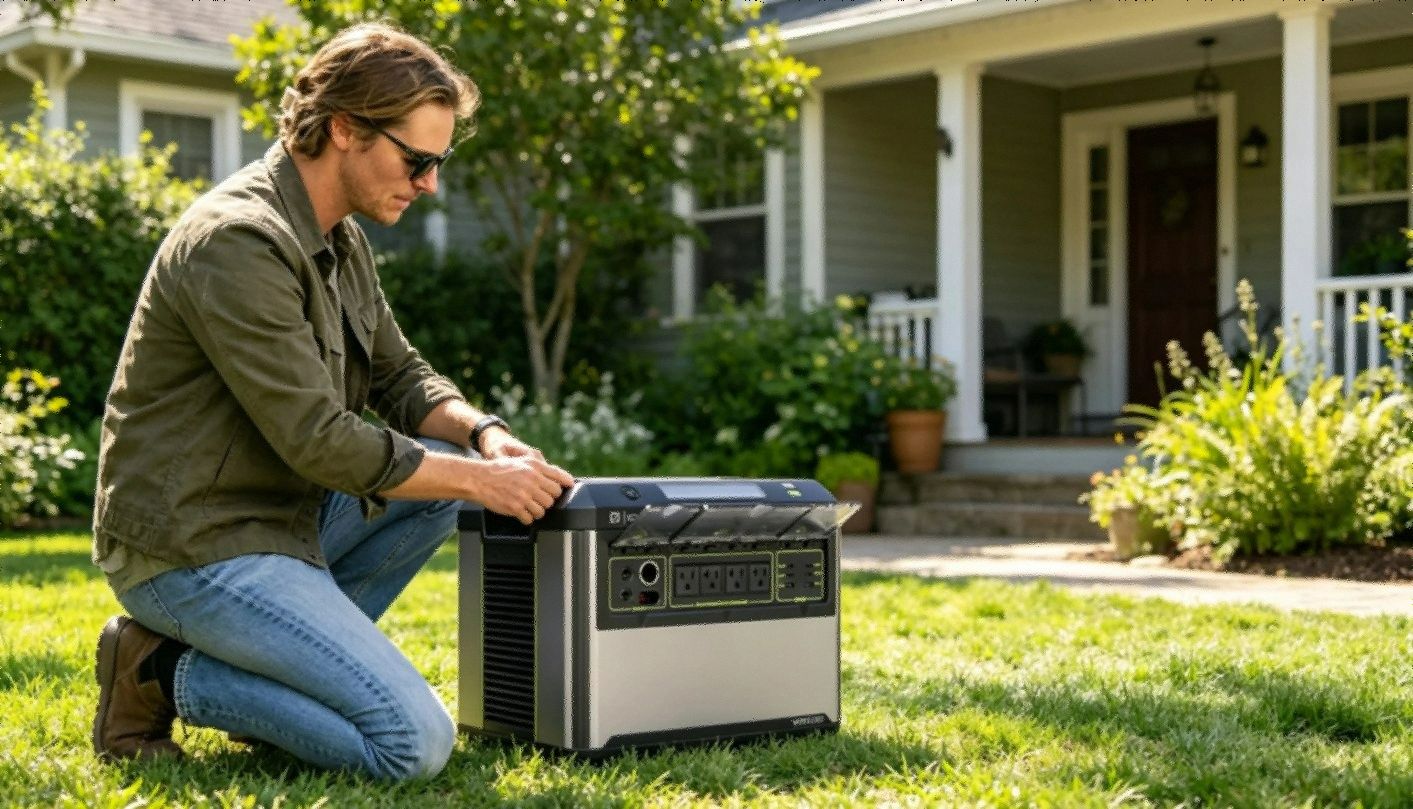
The 2,000W continuous inverter with a 3,600W surge rating also means you’re not limited to phone chargers and laptops. You can run an Instant Pot, a hair dryer, or a small space heater for short bursts — more headroom than a lot of competitors in this price range give you.
Solar Recharging
At a max solar input of 900 watts, Goal Zero says you can refill the Yeti 1500 in about 3 hours of good sun. That’s meaningful if you’re trying to go fully off-grid — pair this with a couple of decent solar panels and you can realistically run a full day-night cycle indefinitely as long as the weather cooperates. The panel isn’t included in the base unit price, so factor that into your budget if solar charging is the whole point for you.

How It Stacks Up Against What I’ve Already Reviewed
People keep asking how this compares to the other units I’ve written about, so here’s the honest breakdown.
Against the Ampace Andes 1500, the Yeti wins on charging speed and brand reliability but loses on price — the Ampace is noticeably cheaper for similar capacity. If budget is your main constraint and you don’t need the Goal Zero ecosystem accessories, the Andes is a reasonable trade.
Against the units in the Anker vs Jackery comparison, the Yeti 1500 sits in a similar capacity tier, but the build quality and IPX4 rating push it more toward outdoor/off-grid use specifically, where Anker and Jackery units lean a bit more toward home backup convenience.
And compared to the 4Patriots Patriot Power Generator 1200, which is really built for emergency preparedness rather than daily cycling, the Yeti 1500’s cycle count makes it the better pick if you’re going to actually use this thing every day rather than have it sit in a closet for a hurricane.
The Yeti-Ready Ecosystem Nobody Talks About See Today’s Deal on Amazon
One thing that doesn’t get mentioned enough: the Yeti 1500 has dedicated 6mm ports built for Goal Zero’s “Yeti-Ready” accessories, like the Alta Electric Cooler and the Skylight area light. These ports free up your regular AC outlets and USB ports for other devices, and they’re more power-efficient for accessories designed to use them. If you’re building out a permanent van setup, that ecosystem compatibility is genuinely useful instead of just upsell fluff.
What People Are Actually Complaining About
This thing isn’t flawless. The biggest complaint in user reviews is around error codes — at least one buyer got hit with an undocumented error code, had to ship the unit back, and ended up eating $288 in return shipping before Amazon stepped in to refund it. Goal Zero apparently hadn’t posted the manual online yet for this generation, which is a rough look for a brand this established. If you go this route, register your warranty immediately and keep your receipt somewhere you won’t lose it.
The other recurring theme, even from happy reviewers, is the price. At $1,499.95 this is not an impulse buy. Several reviewers mention going back and forth before pulling the trigger, with one specifically saying they almost went with a cheaper brand before deciding the build quality difference was worth it. That’s a fair trade-off to weigh — if you’re cycling this daily for years, the cost-per-cycle math favors the Yeti, but if you just want occasional backup power, a cheaper unit might make more sense.
Who This Is Actually For
If you’re a weekend camper who uses a power station twice a summer, this is overkill, and your money is better spent on something in the Andes or entry-level Jackery tier. The Yeti 1500 makes sense if you fall into one of these buckets:
- You live in a van or RV full-time and need a unit that survives daily cycling for years, not months
- You work remotely from the road and can’t afford dead batteries mid-deadline
- You want genuine IPX4 weatherproofing because your setup is actually exposed to the elements regularly
- You’re already in, or planning to build out, the Goal Zero accessory ecosystem
- You want a brand with an actual support history rather than a generic import battery pack
My Honest Bottom Line
I’ve used cheaper units that worked fine for eight months and then started randomly cutting out. That’s the real cost nobody calculates upfront — it’s not just the sticker price, it’s the replacement cycle. The Yeti 1500’s 4,000 cycle LiFePO4 battery and the genuinely fast recharge time make it one of the few units in this price range I’d actually trust as the only power source in a remote setup, not just a backup-to-the-backup.
It’s not cheap, the error code situation is a legitimate gripe Goal Zero needs to fix, and you’ll want to budget separately for solar panels if off-grid charging is your goal. But for full-time van life or serious off-grid use, this is one of the few units where the price actually tracks with what you’re getting.
If you want to check current stock, pricing, and the bundle options with solar panels, here’s the listing on Amazon. And if you’re still cross-shopping, go read my Anker vs Jackery breakdown and the Ampace Andes 1500 review before you commit — the right pick really does depend on whether you’re cycling this daily on the road or just want something in the garage for emergencies.
As an Amazon Associate, this site earns from qualifying purchases made through links in this article.